Precision Surface Restoration
Remove the unwanted.
Reveal the original.
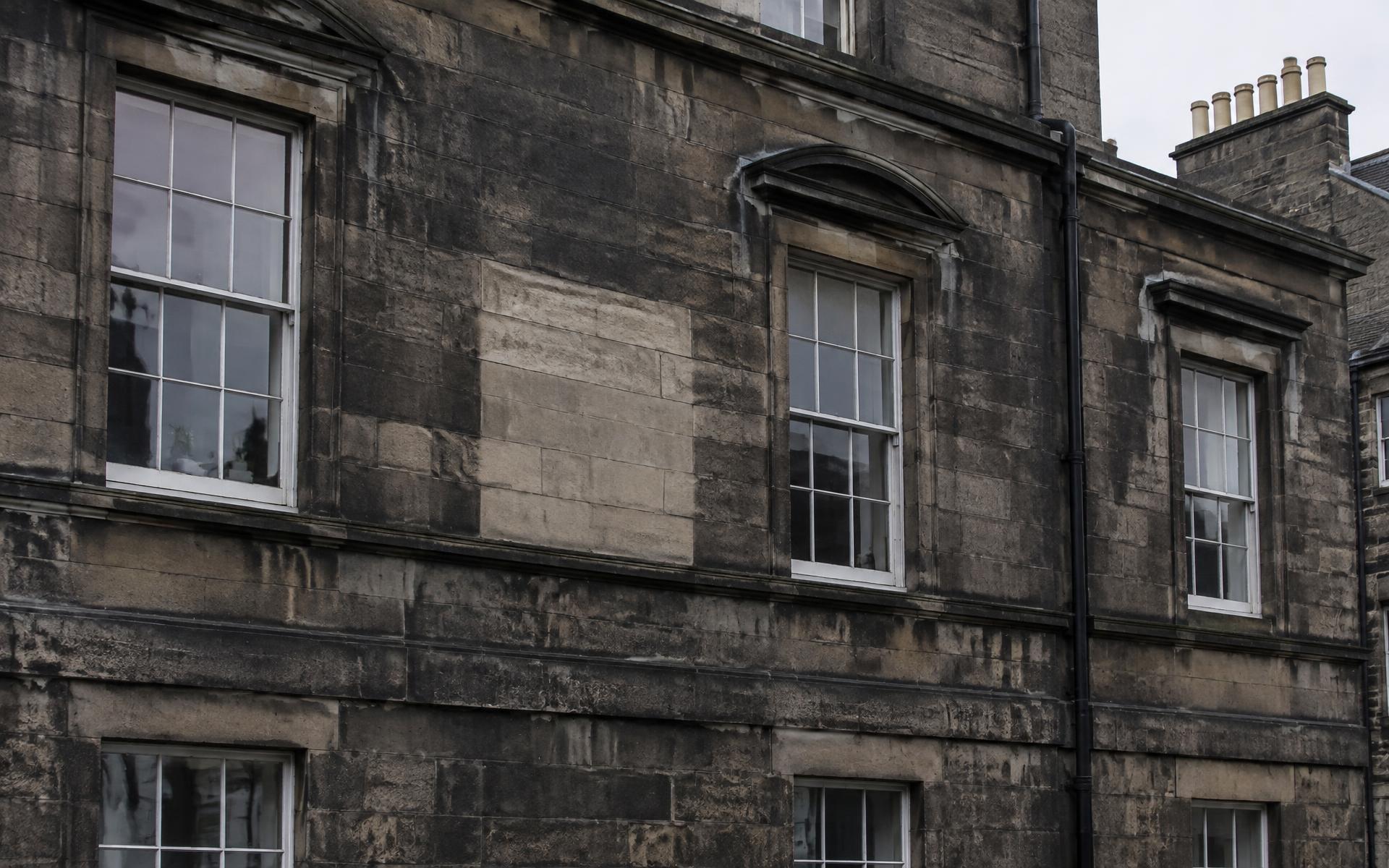
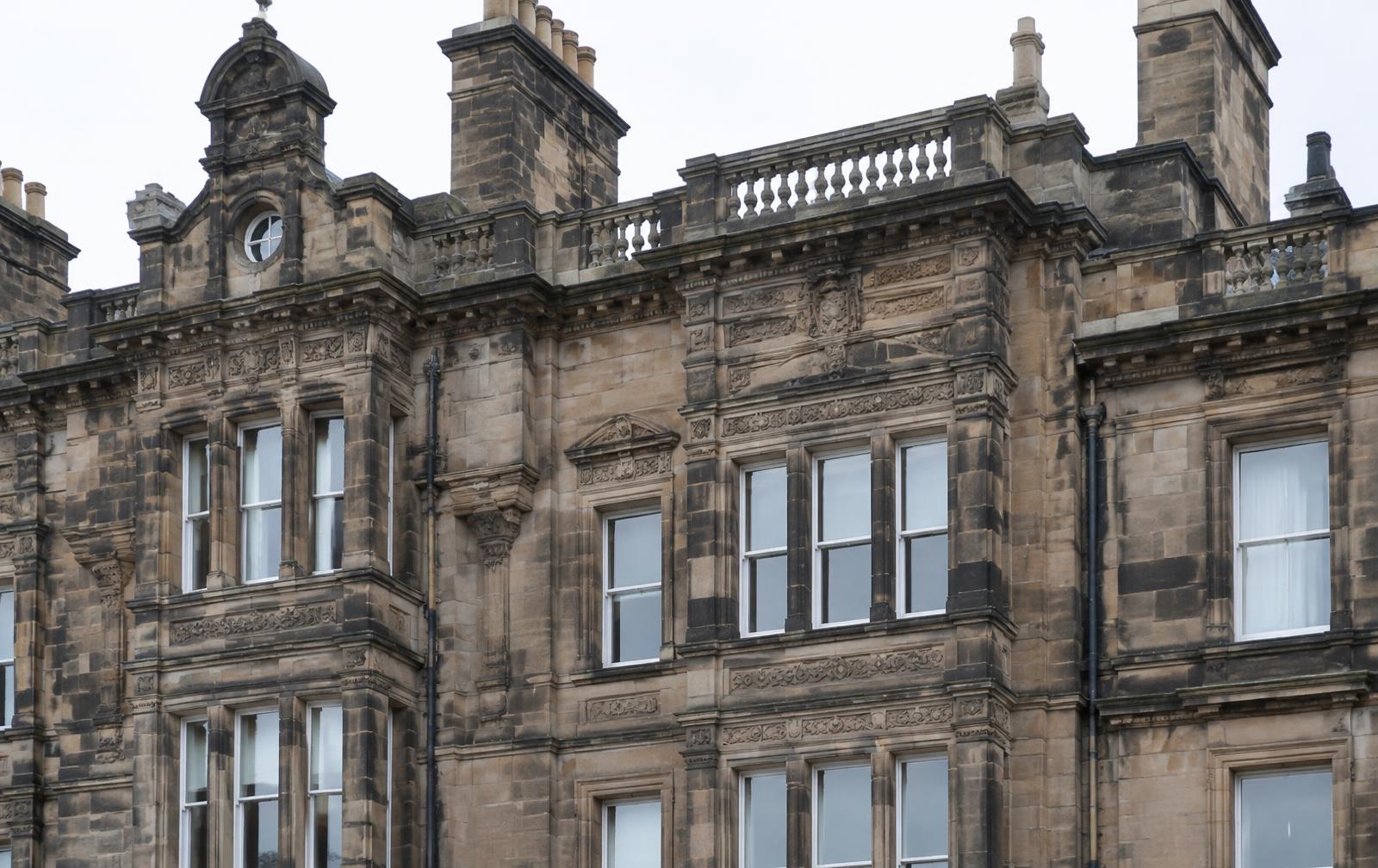
Assessment-led cleaning of granite, stone and masonry buildings, graffiti removal and controlled coating removal, for commercial, heritage and private homeowners alike. The method is selected for the substrate, established by testing, and recorded.
In plain English: we use a focused beam of light to lift soiling, graffiti, paint and rust off a surface, without grit blasting or chemicals.
Aberdeen • Scotland • UK specialist projects
Stone & Masonry • Graffiti Removal • Commercial & Domestic
Surface restoration with control.
- 01Survey
- 02Identify
- 03Test
- 04Control
- 05Verify
Historic & Listed Buildings
Precision matters even more when the surface cannot simply be replaced.
Explore
Choose a subject
Everything about the work, one topic at a time. Pick a tab to see what it covers.
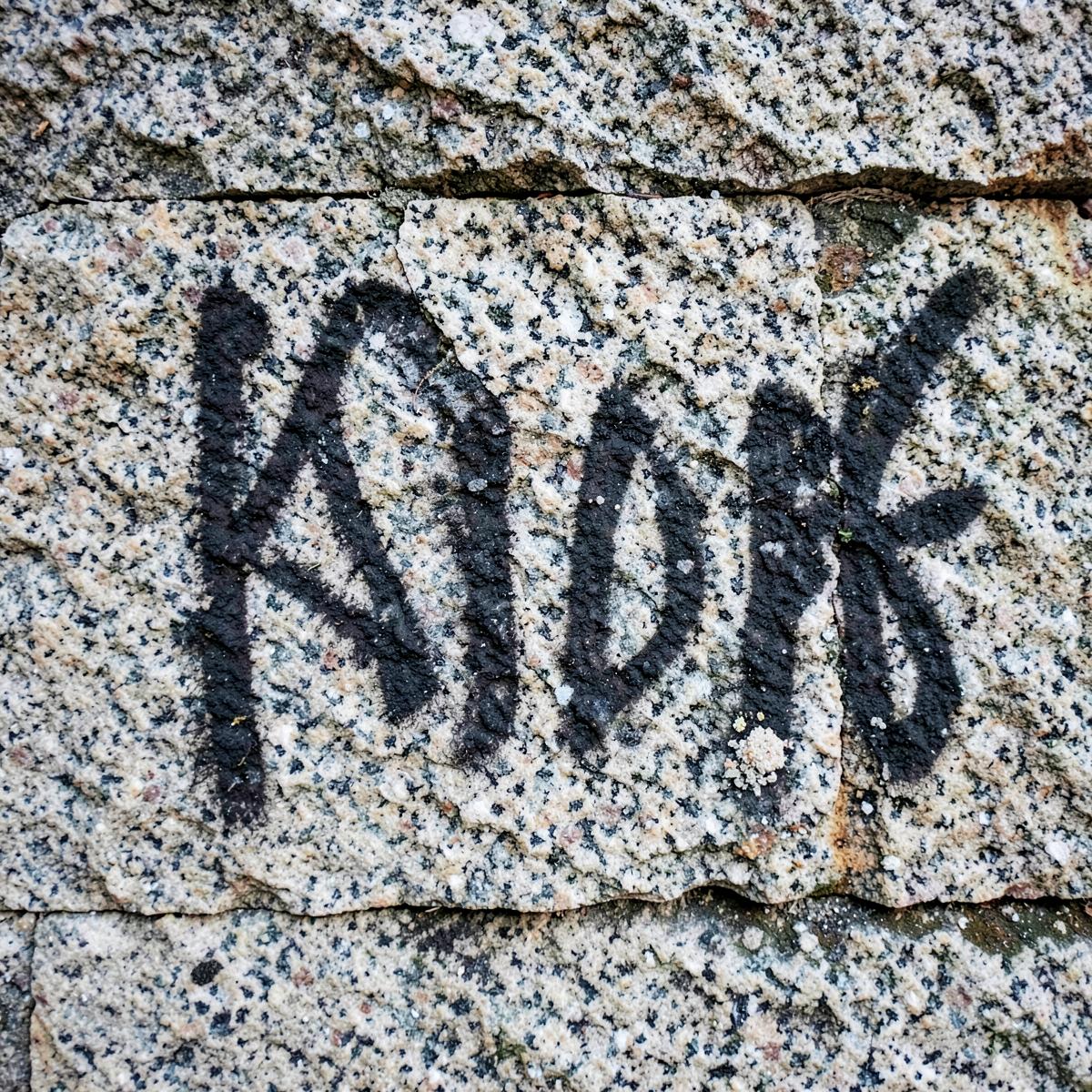 Typical contaminants
How it works
Light does the work
- 01
A pulse of light
- 02
The layer absorbs it
- 03
The unwanted layer lifts
- 04
It is drawn away
A clean process
Nothing added to the surface.
Before and after
What controlled cleaning looks like
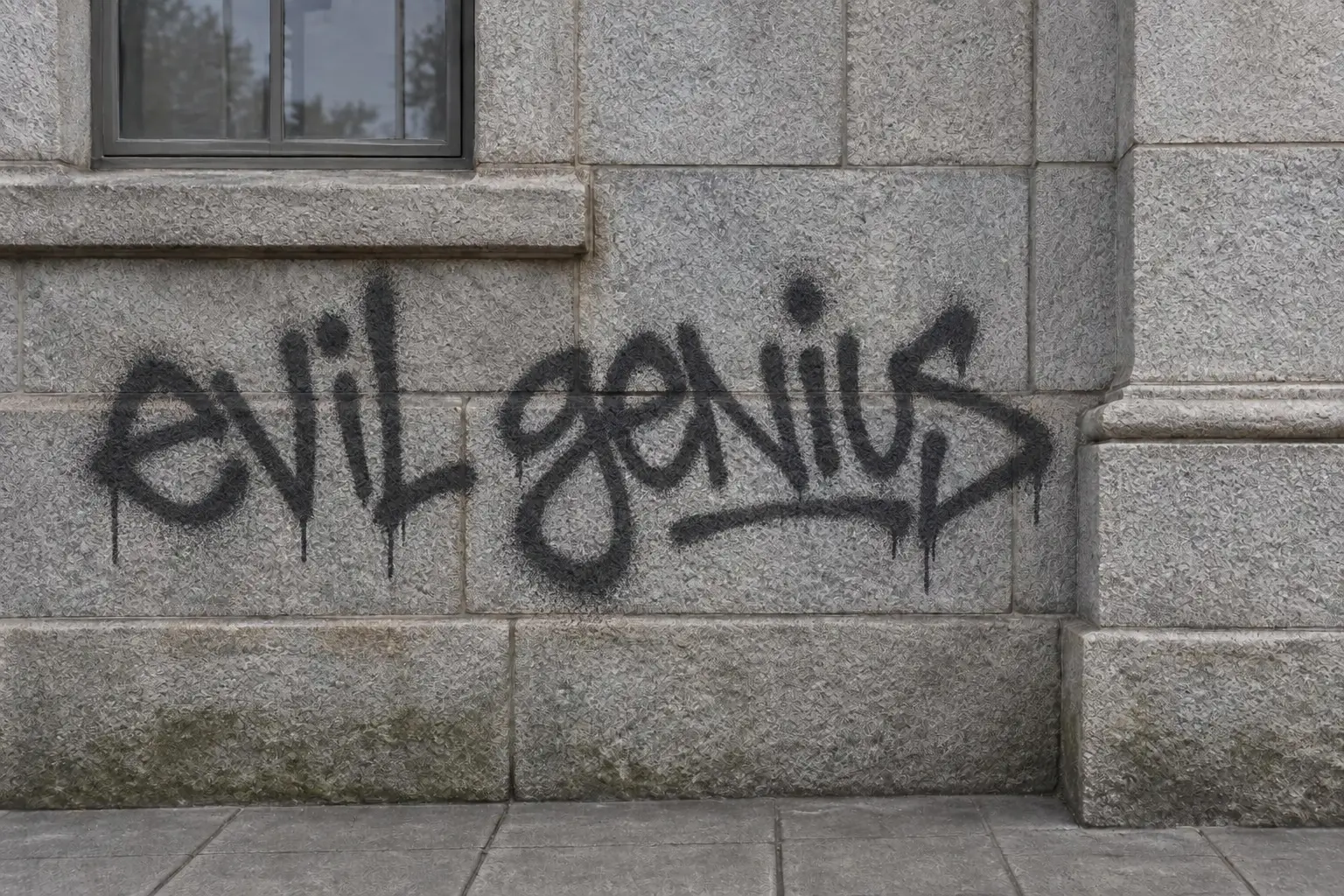
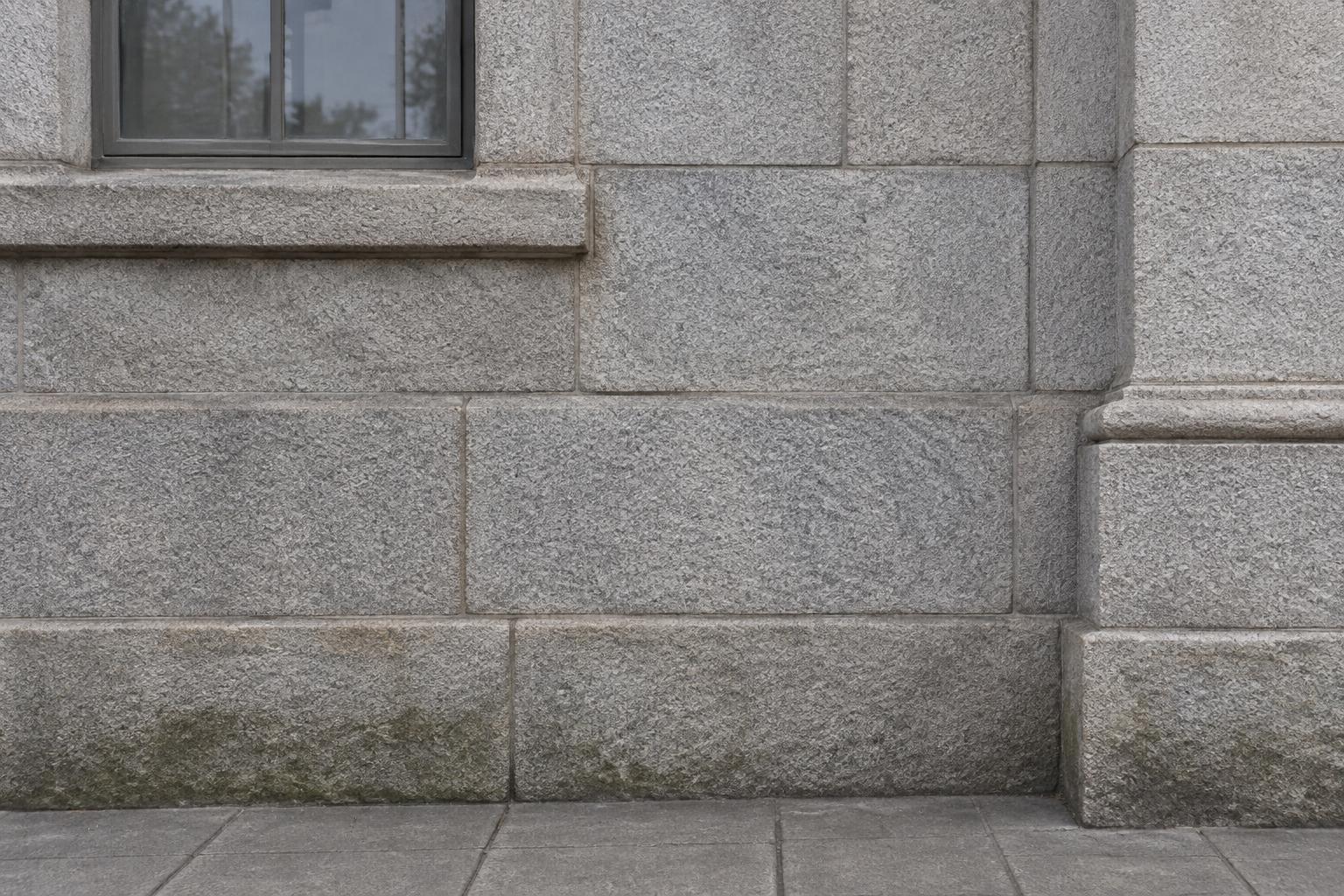
Drag the handle to compare. Results depend on paint chemistry, stone porosity and test results.
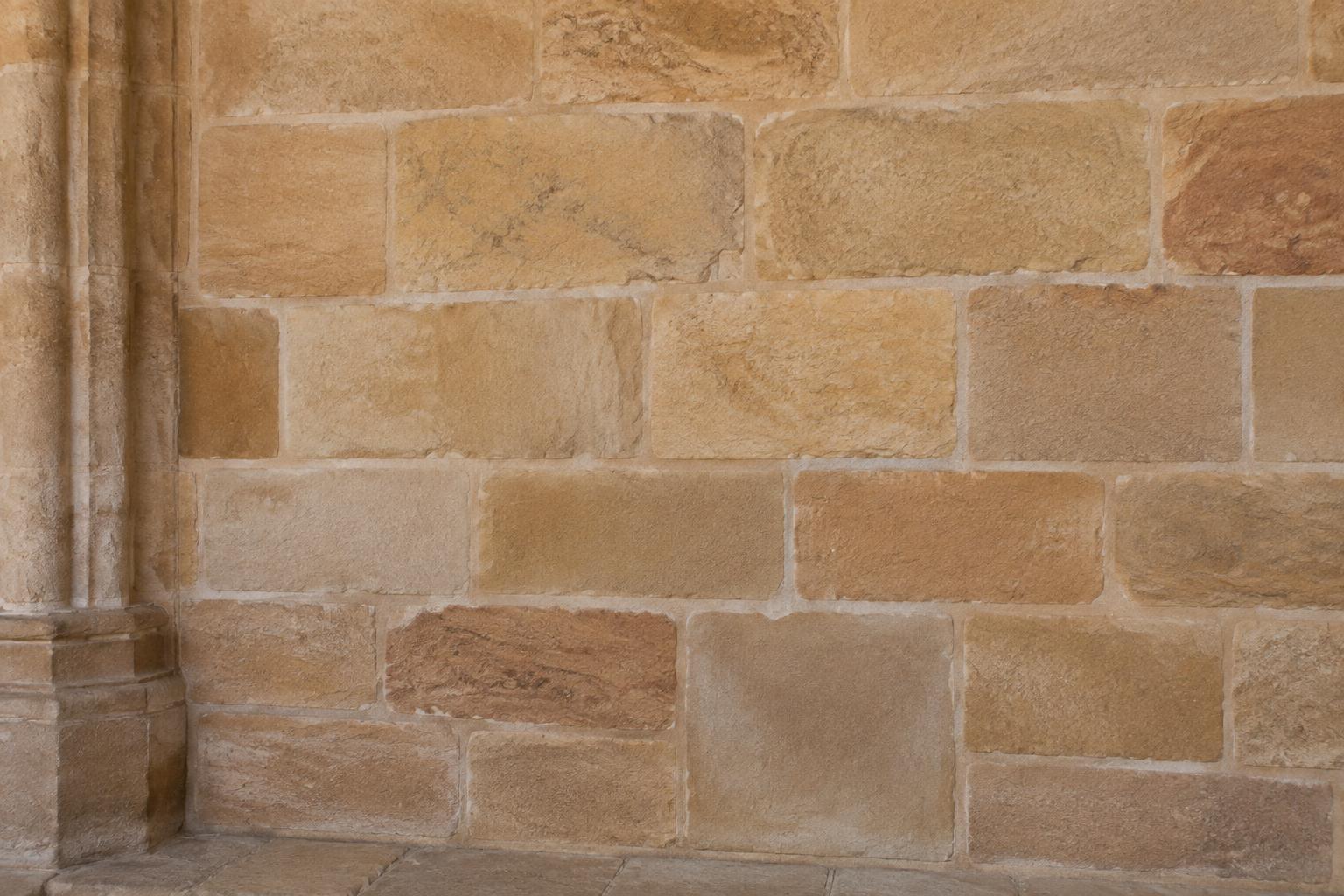
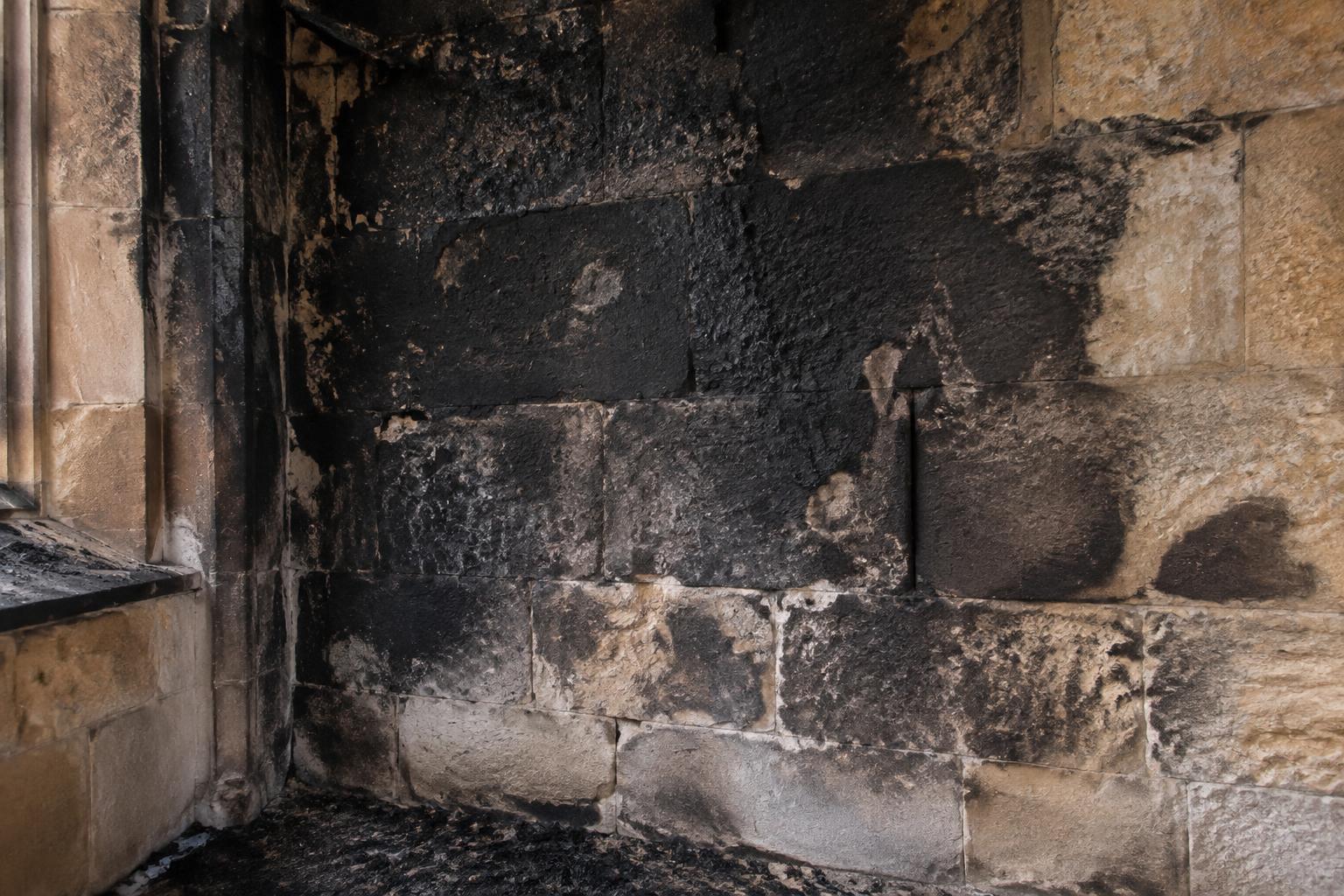
Fire residues vary; the achievable level of cleaning is established by a test area.
Fire and smoke damage
Soot removal after a fire
- Soot and smoke staining on granite, sandstone, brick and concrete
- Fire-damaged stone façades, closes, stairwells and vaulted ceilings
- Smoke-blackened historic joinery and architectural detailing, subject to testing
- Carbon deposits on structural steel and ironwork before inspection or recoating
- Charred residues on masonry ahead of repair or repointing
- Dry working with extraction, so no water or slurry is introduced into the building
Work usually follows an insurer's or loss adjuster's programme. We survey the affected areas, complete a representative test area on each material, agree the level of cleaning, then work progressively with extraction at the work area. Soot is captured and disposed of correctly rather than washed into the building.
Biological growth
Mould, algae, lichen and moss
- Mould and mildew staining on stone, brick, concrete and render
- Algae and green growth on shaded elevations, plinths and boundary walls
- Lichen and moss deposits on monuments, headstones and copings
- Biological soiling on garden walls, steps and paving
- Organic staining on internal masonry after water ingress or a leak
- Dry working, with no pressure washing and no water driven into the wall
Growth is assessed alongside the surface it sits on. Soft or friable stone, lime render and previously treated masonry all behave differently, so a representative test area establishes the cleaning level before any wider work is agreed.
Steel & metalwork
Rust and corrosion removal
- Surface rust and corrosion on steel plate, sections and fabrications
- Mill scale and heat scale on selected components
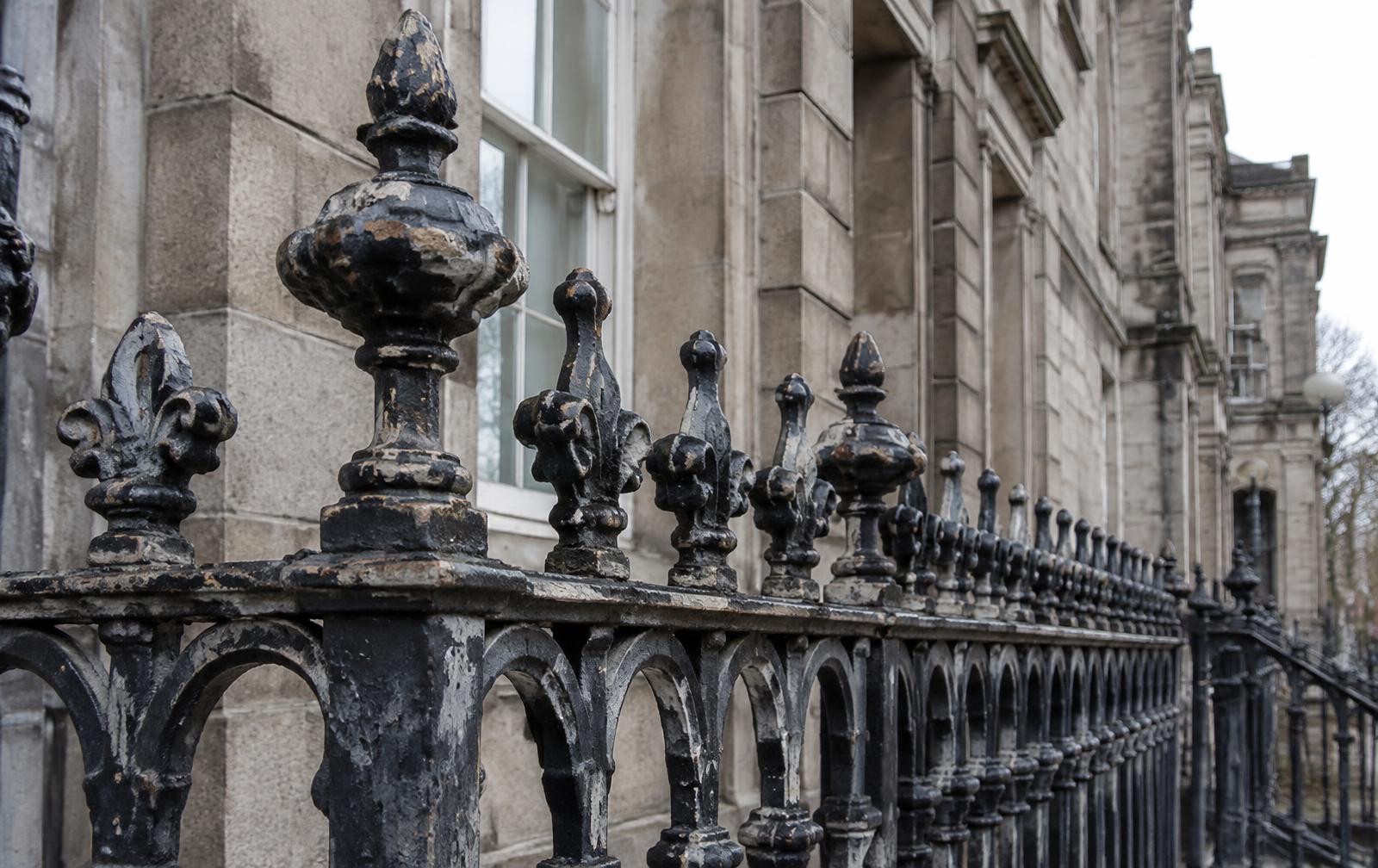
- Gates, railings, balustrades and architectural metalwork
- Plant, machinery and maintenance parts, once isolated
- Structural steel and ironwork prepared for inspection or recoating
- Historic ironwork where a conservation approach is required
Work can be carried out at our workshop or on site. A representative test area establishes the cleaning response, the number of passes and the realistic rate of work before a price is confirmed.
Commercial & Domestic
Built for projects of any size
Considered before any trial
Plain English
The terms explained, without the jargon
- Substrate
- Coating
- Contamination
- Pulsed laser
- Test patch
- Parameters
- Site survey
- RAMS
- Patina
Have a surface restoration project to assess?
Send photographs, dimensions and a description of the surface. We will tell you whether it is a realistic candidate, and what testing would be required.