How it works
Controlled light. Controlled removal.
Pulsed laser cleaning is not a single setting applied to every surface. It is a process of finding an operating window in which the unwanted material responds and the substrate does not.
How it works
Precision light.
Real results.
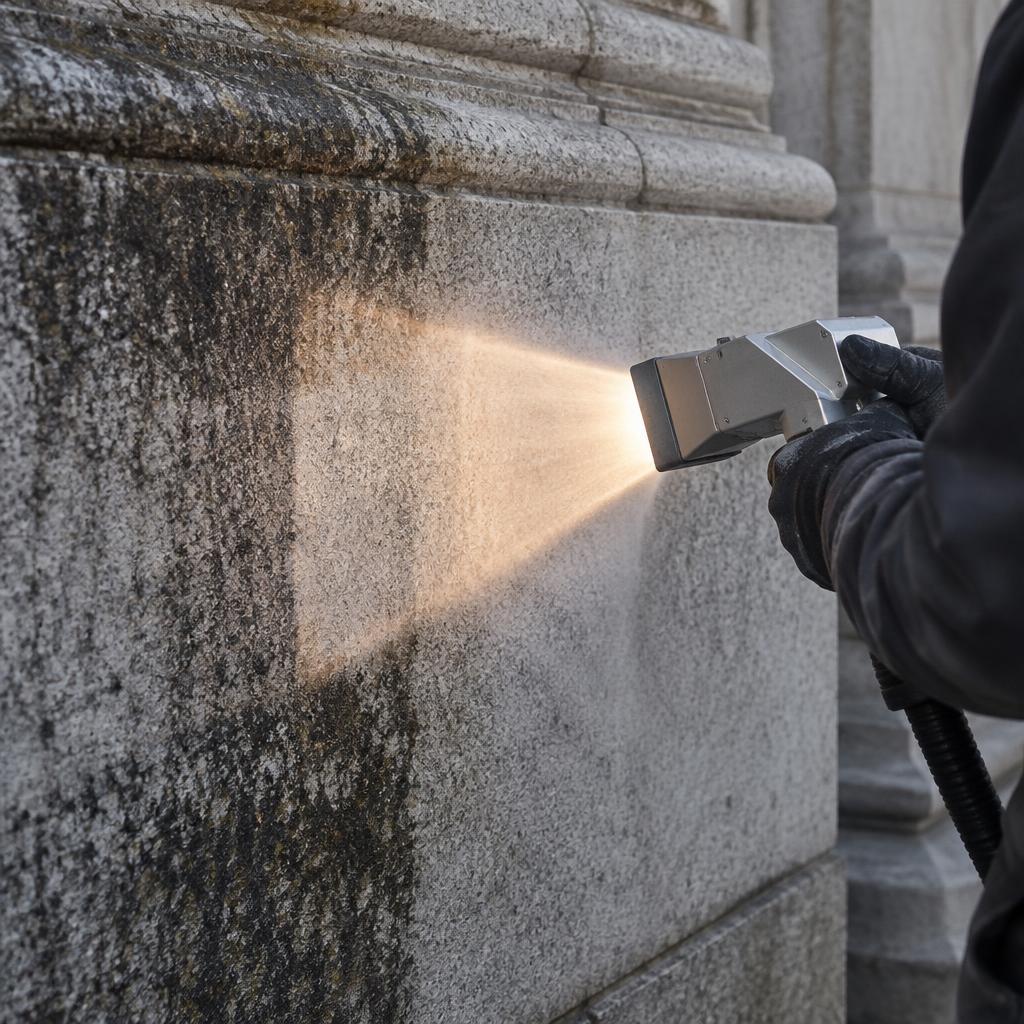
Pulsed laser cleaning uses short bursts of light, spread and scanned across the surface. The unwanted layer absorbs that energy, while the parent material beneath reflects much more of it back. That difference breaks the bond, so contaminants lift away as fine particles and vapour, which are captured by extraction.
Controlled / Non-abrasive / Targeted / Assessed
 01
01Contaminated surface
Paint, soot, biological growth and atmospheric pollution bond to the surface over time.
 02
02The layer absorbs the light energy
A scanned, spread beam passes across the surface. The unwanted layer absorbs the light energy, while the parent material beneath reflects far more of it back.
 03
03Contamination lifts away
The layer is vaporised or broken into fine particles and drawn away by extraction.
 04
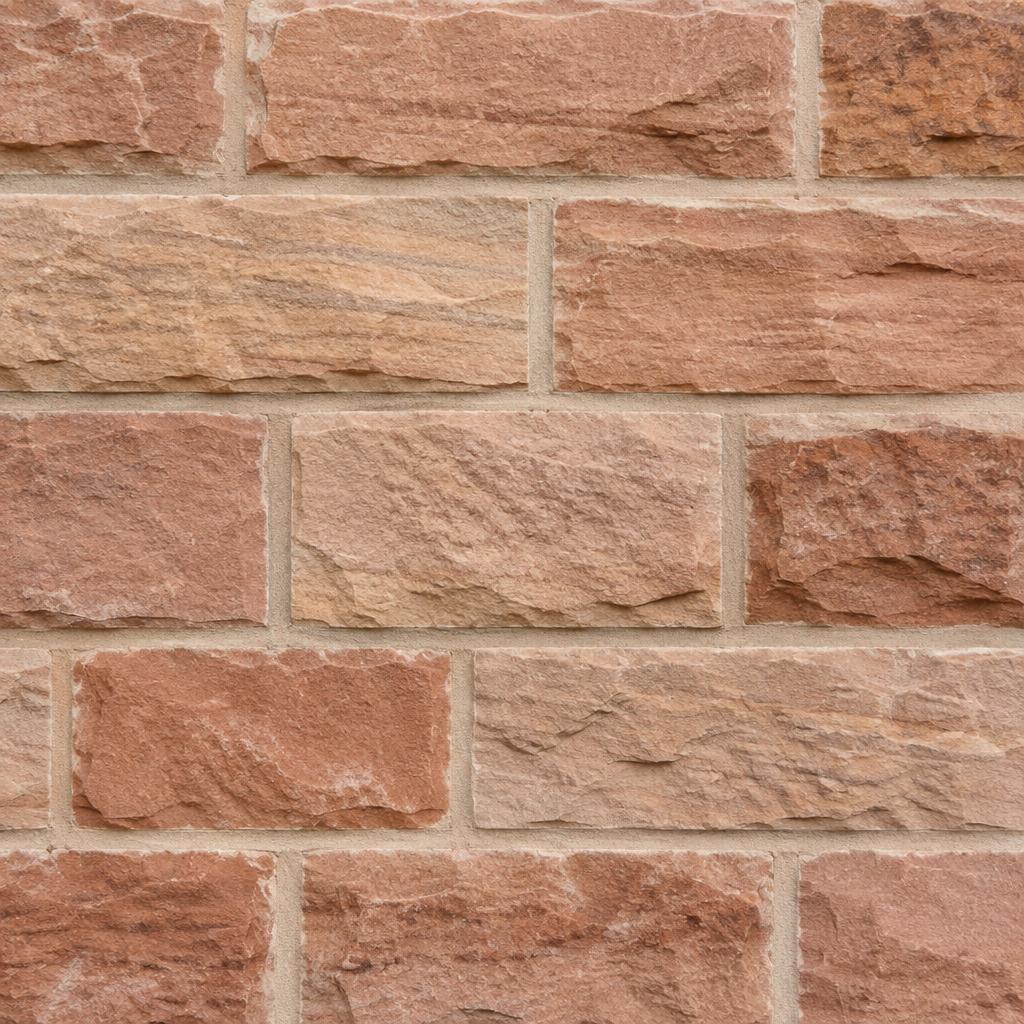
04Cleaned surface revealed
The unwanted layer is removed, revealing the original material beneath.
Response varies by substrate, contamination and test results.
The basic principle
In four stages
Parameters
What is actually being adjusted
- Pulse energy
- Pulse duration
- Repetition frequency
- Fluence
- Scan speed
- Scan width
- Pass count
Why test cleaning matters
There is no universal laser setting.
Two components that look identical can behave differently. Coating age, previous treatment, surface roughness, alloy variation and contamination all change the response.
Representative test cleaning is carried out in an agreed location, and the result is recorded and reviewed before production work is proposed or priced.
Test. Measure. Record. Repeat.
Testing establishes
- Cleaning response of the unwanted layer
- Surface reaction of the substrate
- Required number of passes
- Expected productivity
- Acceptable finish against the objective
- Potential risk to the material
Next step