Heritage & Listed Buildings
Precision cleaning for historic and sensitive surfaces
Historic buildings require a different approach to conventional cleaning. Surface Reveal provides highly controlled pulsed laser cleaning for historic masonry, architectural features, metals, timber and other sensitive surfaces where preservation of the underlying material is critical.
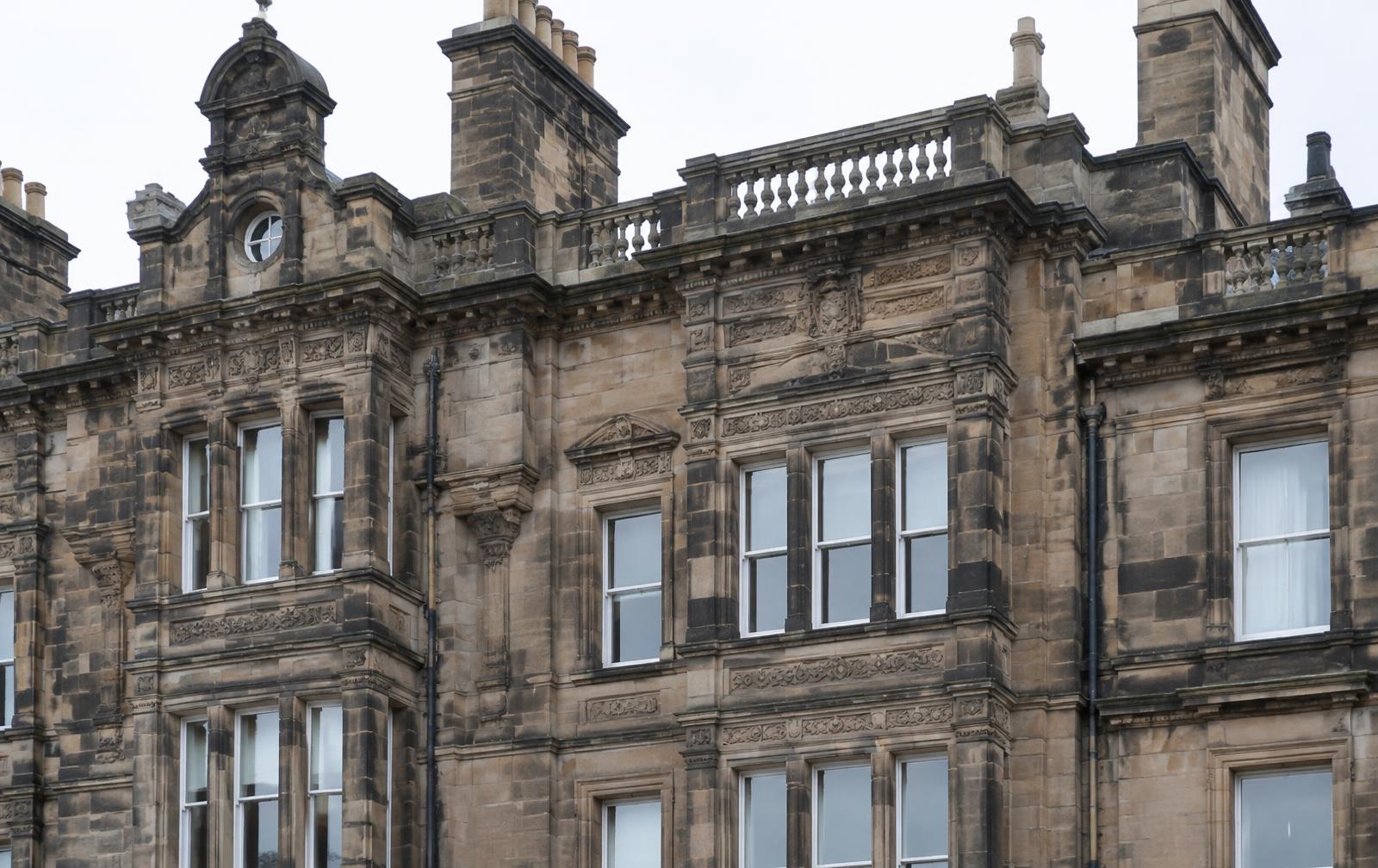
Scotland first
Working With Scotland's Historic Environment
National framework
Historic Environment Scotland Guidance
Reference panel
Heritage Regulations in Scotland
Planning (Listed Buildings and Conservation Areas) (Scotland) Act 1997
Scheduled Monuments
Consent requirements vary according to the designation, significance, material and proposed works. Clients should obtain confirmation from the relevant planning authority, Historic Environment Scotland or their appointed conservation professional where required.
A Recognised Conservation Standard
BS EN 16782:2016
Conservation of cultural heritage — Cleaning of porous inorganic materials — Laser cleaning techniques for cultural heritage.
Laser cleaning of cultural heritage materials is sufficiently established as a conservation process to have its own British and European Standard.
BS EN 16782:2016 defines requirements for the selection and use of laser cleaning methods for porous inorganic cultural heritage materials including natural stone, ceramics and mortars such as plaster, render and stucco.
The standard addresses the selection of laser systems and operating parameters required to optimise the cleaning process while considering preservation of the underlying historic material.
The formal scope of the standard relates particularly to porous inorganic cultural heritage materials, so it does not cover every material we clean. Surface Reveal references the standard as recognised technical guidance; it does not hold, and does not claim, independent certification to it.
Standard referenced
BS EN 16782:2016
Laser Cleaning Techniques for Cultural Heritage
Referenced as published technical guidance. Not a certification held by Surface Reveal.
UK conservation practice
Recognised Within UK Conservation Practice
Our heritage process
From assessment to project record
- 01
Initial Assessment
- 02
Heritage Status
- 03
Test Area
- 04
Review
- 05
Methodology
- 06
Controlled Cleaning
- 07
Documentation
Conservation principles
Minimum Intervention. Maximum Control.
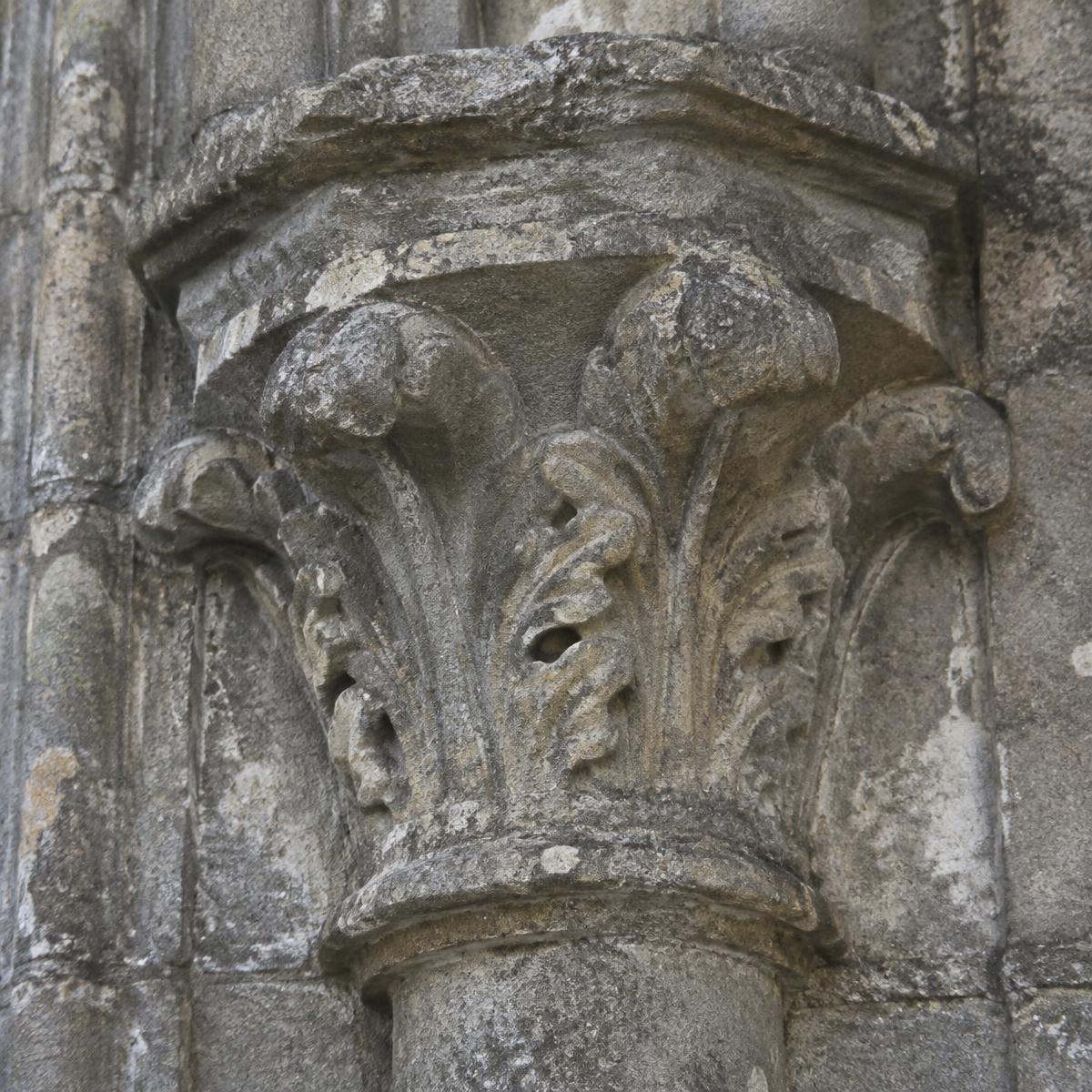
Controlled
Non-abrasive
Targeted
Tested
Applications
Appropriate heritage applications
Specification-led work
For Architects, Surveyors & Conservation Teams
For specification-led projects we can provide
Public sector
Public & Civic Buildings
Questions
Heritage and listed building FAQs
- Is laser cleaning suitable for listed buildings?
- Is laser cleaning approved by Historic Environment Scotland?
- Is laser cleaning recognised for conservation work?
- What is BS EN 16782:2016?
- Do I need Listed Building Consent to clean a listed building in Scotland?
- Can you carry out a test area first?
- Can Surface Reveal work from an architect's specification?
References
Authoritative sources
Historic Environment Scotland
Listed building and conservation area consent guidanceHistoric Environment Scotland
Managing Change in the Historic Environment guidance notesHistoric Environment Scotland
Scheduled Monument Consent guidanceUK legislation
Planning (Listed Buildings and Conservation Areas) (Scotland) Act 1997UK legislation
Ancient Monuments and Archaeological Areas Act 1979British Standards Institution
BS EN 16782:2016 — Laser cleaning techniques for cultural heritageHistoric England
Graffiti on Historic Buildings: Removal and Prevention
Surface Reveal is an independent specialist cleaning contractor and is not affiliated with or endorsed by Historic Environment Scotland or Historic England. References to legislation, standards and published guidance are provided to explain the regulatory and technical context in which heritage cleaning may be undertaken.
Heritage enquiries
Discuss a conservation project
We work alongside conservation architects, surveyors, conservation officers and estate teams, with trial panels reviewed before wider work is agreed.