Skip to content
Surface Reveal

Graffiti Removal

Graffiti removal

Graffiti removal is a substrate problem before it is a paint problem. The correct method depends on what the paint has done to the surface beneath it.

What governs the method

On a dense, non-porous substrate, surface paint may be removed comparatively cleanly. On a porous substrate, pigment and carrier may have penetrated below the surface, in which case no surface method fully removes the staining.

  • Paint chemistry and carrier
  • Substrate porosity and absorption
  • Substrate material and condition
  • Age of the graffiti
  • Previous coatings or anti-graffiti treatments
  • Historic significance of the surface

Where laser cleaning may help

Laser cleaning can be appropriate for difficult residues, sensitive surfaces or situations where chemicals and water are unsuitable. It is not universally superior to other graffiti removal methods and is proposed only where assessment supports it.

Complete removal of pigment absorbed into a porous substrate may not be achievable by any surface cleaning method. Expected outcomes are established by testing.

Before and after

Drag the handle to compare
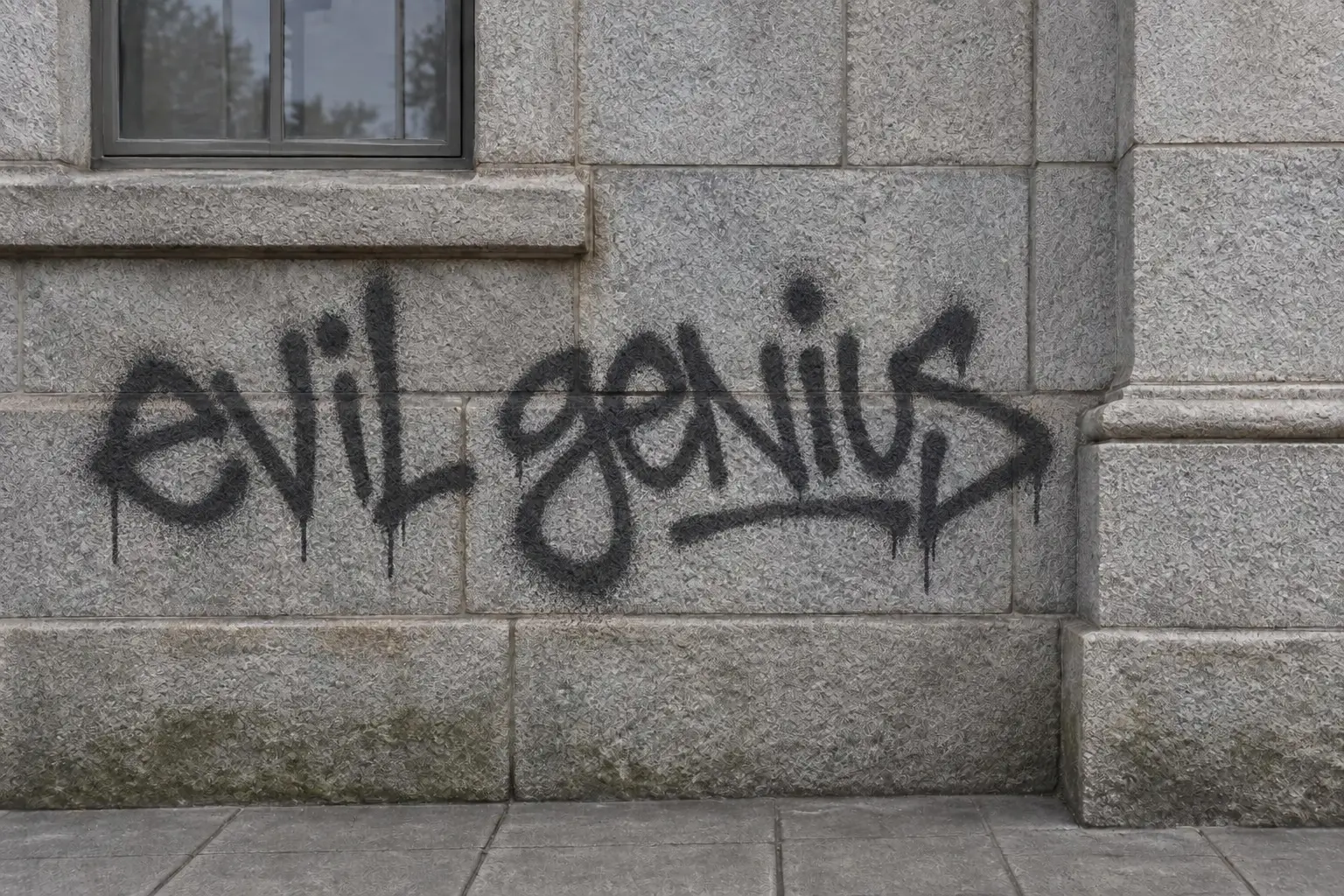
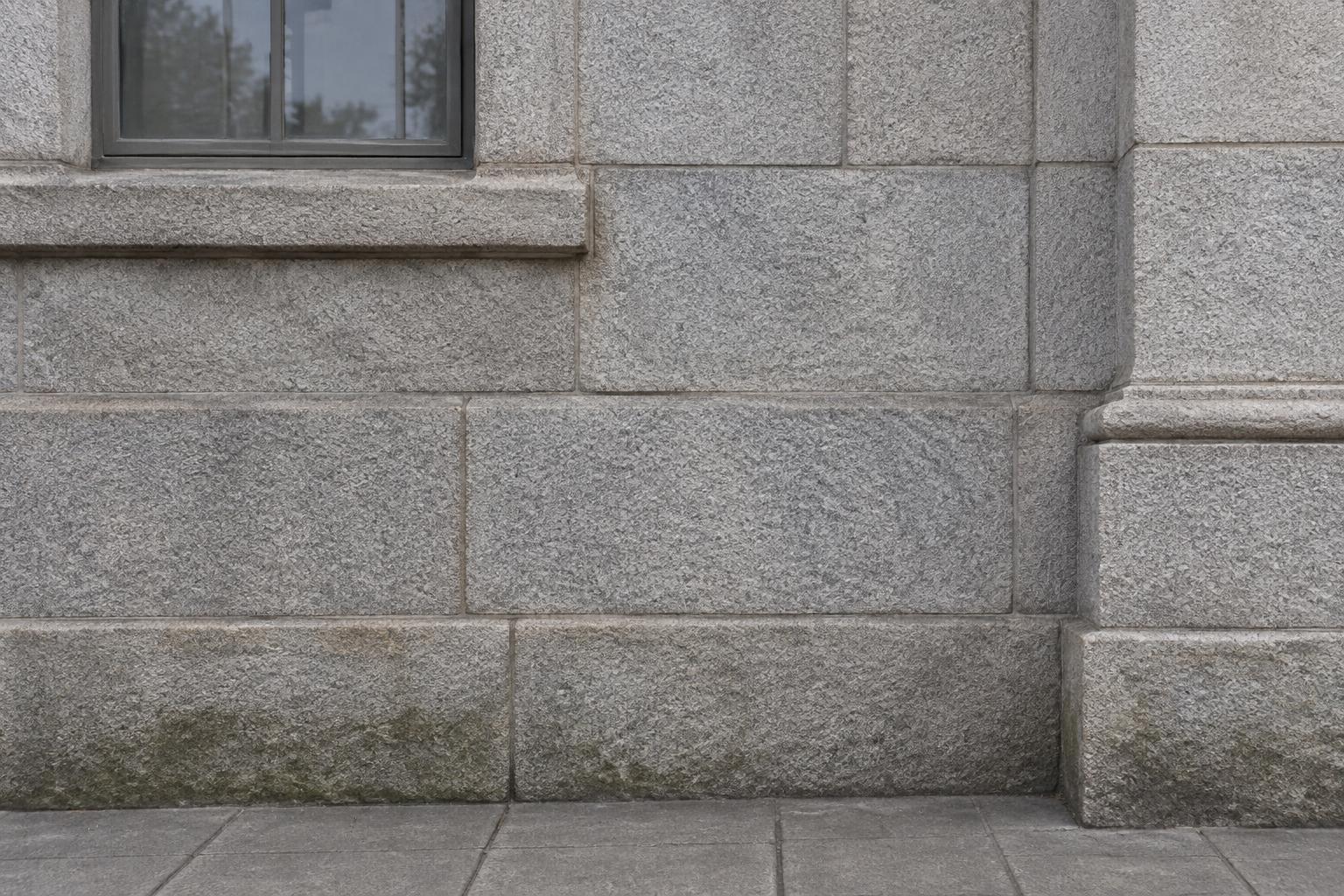
Graffiti on a granite elevation and the same stone after controlled removal.

The same granite wall covered in black spray-painted graffiti.
Granite building wall with the graffiti removed and the natural stone visible.
BeforeAfter

Drag the handle to compare. Results depend on paint chemistry, stone porosity, previous coatings and test results.